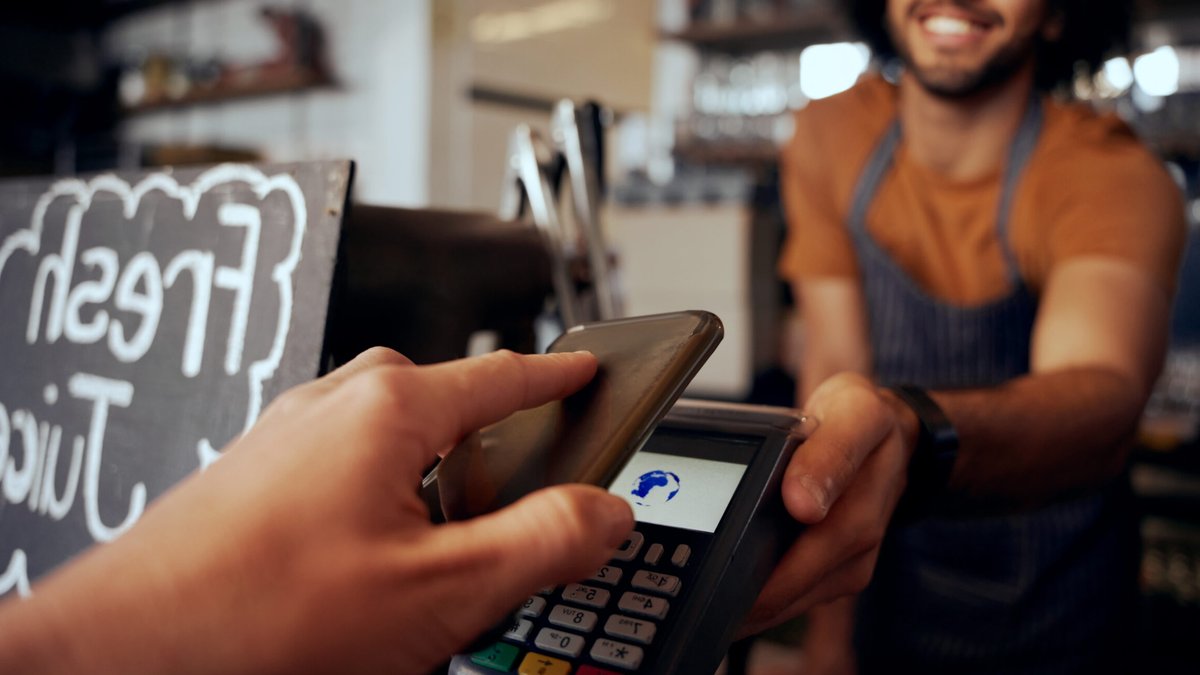
UK small businesses face a decline in sales if they fail to adopt card payment systems. By 2024, debit cards handled more than half of the country’s 49 billion transactions, accounting for 26.1 billion payments—a figure that shows their dominance in the UK market. Meanwhile, 39% of all transactions involved contactless cards or mobile payments, reflecting the rapid adoption of faster, digital alternatives. Cash now accounts for less than 10% of all transactions, the 2025 UK Payment Markets report states, signaling a dramatic shift away from physical currency.
Most card terminals support debit, credit, and mobile payments, but pricing and features differ significantly. Providers like Zeller, Tide, and Worldpay offer varying capabilities, from basic contactless processing to advanced inventory management tools. Some models suit permanent storefronts, while others are designed for temporary setups like pop-up shops or street vendors. Selecting the right terminal depends on initial costs, monthly fees, and transaction charges, with options ranging from outright purchases to rental plans that vary by provider.
Payment machines vary widely in price, ranging from £20 for basic mobile readers to £250 for advanced countertop models. Mobile card readers generally cost between £20 and £60, making them the most budget-friendly entry point for small businesses, while countertop card machines cost between £40 and £250 for those needing more robust, fixed-location solutions. Transaction fees are taken by your card payment provider as a percentage of every payment made through your card machine. They’re typically between 1.5 per cent and 2 per cent of the value of the transaction, and sometimes have a fixed amount in pennies (e.g. 20p) added on top.
Related Post: Demand Prediction Models: Choosing the Right Approach for Your Business
So, if the customer buys an item costing £25, and your transaction fee is 1.75 per cent, you’ll be charged around 42p by your card payment provider. Card payment providers will also advertise a card not present (CNP) transaction. A CNP transaction occurs when neither the cardholder or their card are present for the transaction, in other words, an online or phone payment, or a recurring payment. CNP fees are usually around 2.5 per cent. They’re higher for the simple reason that there’s a greater risk of fraud during these kinds of payments.
Businesses can choose from three primary types: countertop, portable, and mobile card readers. Countertop terminals, ideal for fixed locations such as grocery stores, provide stable connections and are best suited for businesses with designated till points. Portable models, powered by batteries and Wi-Fi, work well for cafés and restaurants, offering flexibility within a single venue. Mobile readers, small, battery-operated, and compatible with 4G, eSIM, or Wi-Fi, are best for pop-ups, markets, and food trucks, as they eliminate the need for heavy equipment and connect instantly, whether indoors or outdoors.