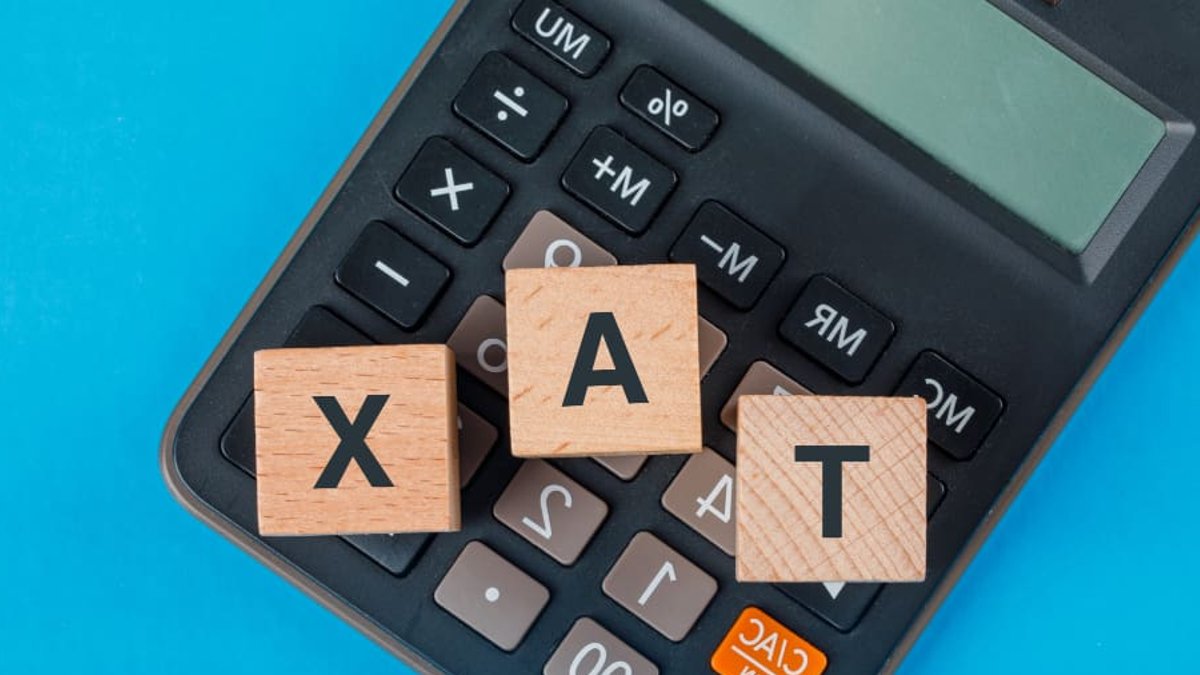
Corporation tax is a tax that UK limited companies pay on their profits, not on their total revenue. The rate depends on how much profit a company makes, with different thresholds and rates applying based on profit levels. Companies must calculate and pay this tax themselves to HMRC, rather than receiving a bill.
Corporation Tax Rates and Thresholds
For the 2023 tax year, companies pay 19% on profits up to £50,000 and 25% on profits over £250,000. Companies making between those two amounts qualify for marginal relief, which gradually increases the tax rate from 19% up to 25% rather than applying the full 25% immediately.
“Corporation tax is charged on taxable profits rather than turnover, which is an important distinction,” said Adam Owens, head of tax advisory at Xeinadin. “A business can be bringing in strong revenues but still have a very different tax position once its costs, deductions and allowances are taken into account.”
The last change in corporation tax took effect on April 1, 2023, when the 25% rate was introduced for companies with profits over £250,000. Before that date, the rate was 19% across all profit levels.
Companies with accounting periods that span rate changes must apportion their profits between the old and new rates. Julian Moran, tax partner at Knights, explained: “If a company’s accounting period begins on a date other than April 1, and there is a change in the rate or thresholds of corporation tax during the accounting period, the company’s profits for the accounting period will need to be apportioned between the two financial years.”
For example, a company with a £300,000 taxable profit for an accounting period starting April 1, 2023, would pay £70,561 in corporation tax. The calculation splits the profit: £73,972 at 19% and £226,028 at 25%.
Filing Requirements and Penalties
Companies must file a Company Tax Return within 12 months of their accounting period ending. However, the actual tax payment is due earlier — within nine months and one day of the period’s end.
Read Also: Dollars may lose value despite gains
If a company’s accounting period ends on March 31, 2026, the return must be submitted by March 31, 2027, but the tax payment is due by January 1, 2027. Even companies that file accounts with Companies House must still include those documents with their Company Tax Return.
Late filing triggers penalties: 10% of the tax owed after six months, 20% after 12 months, and increased fixed penalties of £1,000 and £2,000 respectively for three consecutive years of late submission. Unpaid tax also accrues additional charges from the due date.
Companies can use accountants, specialist software, or tax agents for assistance with calculations and filings. The responsibility to determine the correct amount and submit payment remains with the company itself.
Allowable business expenses, those incurred “wholly and exclusively” for trading purposes, can be deducted from taxable profits. Disallowable expenses cannot reduce the tax bill. When shareholder loans remain unpaid nine months after the accounting period ends, companies must pay an additional amount to HMRC calculated at the current higher taxpayer dividend rate of 35.75%.
“My advice to limited companies is not to treat corporation tax as a once-a-year exercise,” Owens said. “Keep an eye on profits as the year progresses, set aside cash for the expected bill and consider the tax treatment of significant purchases before committing to them.”
Who Must Pay Corporation Tax
Corporation tax applies specifically to limited companies registered in the UK. International companies conducting business through a UK branch are also required to pay the tax. Clubs and community groups only become liable when they generate taxable profits. Sole traders, however, are not subject to corporation tax, instead reporting income through self-assessment.
Managing Expenses and Shareholder Loans
Most routine business costs fall into this category, reducing the overall tax burden. Disallowable expenses, by contrast, cannot be used to lower the amount owed.