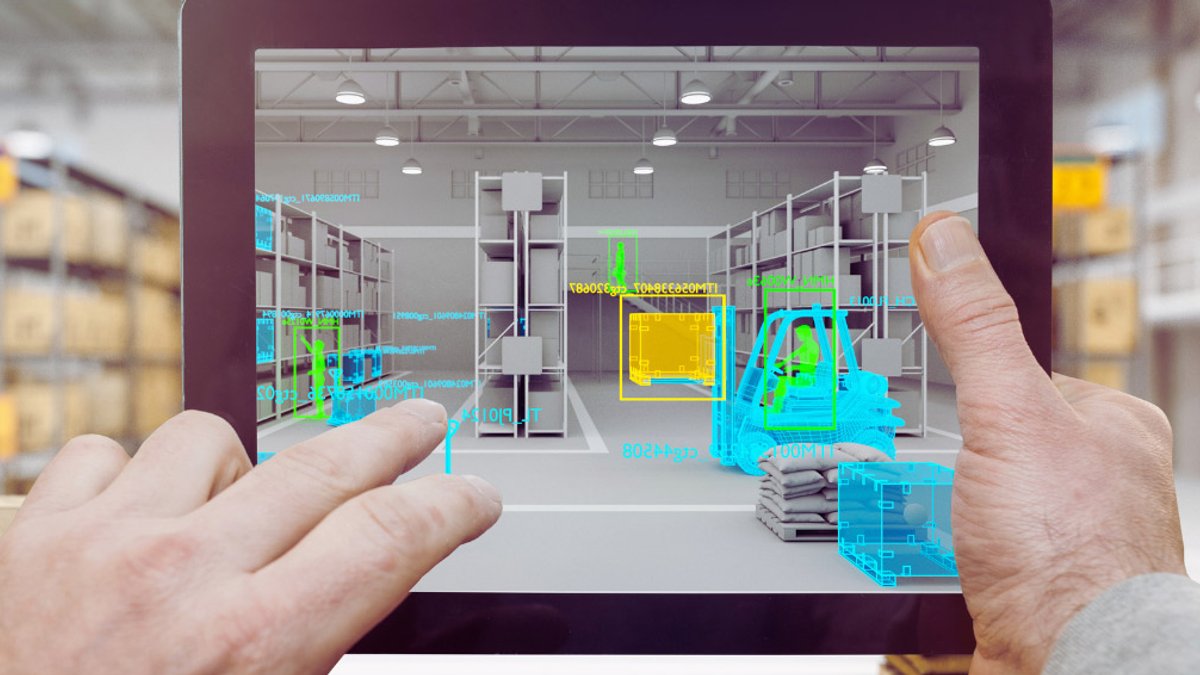
The value of international trade has long been its ability to connect economies, but the risks of theft and disruption have grown alongside its scale. In 2025, North American cargo theft losses hit $725 million, a 60% surge from the prior year, while global cybersecurity incidents rose nearly 50% over five years. Organized criminals now target not just shipments in transit but warehouses themselves, using cloned credentials and falsified documents to bypass security systems.
Warehouses face unique challenges in managing entry. Unlike offices or stores, they require varying levels of access for employees, couriers, and contractors—often across high-risk areas like loading docks or storage zones. Weak access controls, whether through tailgating, stolen keys, or oversights in visitor management, leave goods exposed. Meanwhile, cyber threats have intensified as they adopt digital systems. The warehouse management system market is projected to reach $7.69 billion by 2030, making digital infrastructure a prime target for attacks that can disable operations or steal data to breach physical security.
AI-driven attacks now prioritize industries reliant on digital supply chains, forcing operators to adopt structured security measures. A four-stage checklist, covering perimeter, access, conveyance, and cybersecurity, offers a practical framework to mitigate these risks.
Perimeter protections: reducing exposure points
Physical security begins with minimizing entry points. Segregated parking lots for employees, couriers, and visitors, paired with vehicle access control systems and manned guard stations, ensure all entry events are recorded. Continuous fencing, at least 8 feet tall, must be patrolled and free of gaps, with a 3-foot buffer zone around it to eliminate blind spots. Surveillance extends beyond cameras to AI-powered analytics that detect anomalies and alert operators via SMS. Lighting at entry points and along the perimeter ensures 24/7 visibility for both security personnel and recording devices.
Read Also: Exporters must integrate logistics early to avoid costly trade failures
Access control: limiting insider and outsider risks
More than 20% of cargo thefts involve insider participation, making access control a critical layer of defense. Physical tokens like key cards or fobs restrict employees to role-specific areas, while couriers and visitors receive time-based mobile credentials for low-risk zones. High-risk areas, such as loading docks or high-value storage, require multi-factor authentication (MFA), combining biometrics like iris scans or fingerprints with traditional credentials to prevent fraud.
Credential management extends beyond issuance. Digital interfaces allow managers to review access events in real time, spotting patterns like repeated attempts to enter restricted zones. The goal isn’t just to lock down facilities but to create an audit trail that identifies anomalies before they escalate. For instance, a courier attempting to access a storage zone outside the assigned time window triggers an immediate alert, one that might prevent a theft before it starts.
The system must also adapt to the needs of different user groups. Freight carriers need temporary, time-limited access, while warehouse managers require biometric verification for high-security areas. The key is balancing convenience with security: a courier shouldn’t be delayed by cumbersome checks, but neither should they have unrestricted access to sensitive zones. The solution lies in tiered credentials that align with job functions, reducing unnecessary risks.
Loading and conveyance security remains a weak link in many warehouses. Without strict protocols, attackers can exploit gaps in vehicle inspections or loading procedures. The next stage of the checklist addresses these vulnerabilities directly.
Read Also: Customs compliance roles in demand as trade rules tighten
Integrated Physical and Digital Safeguards for Cargo Operations
Driver credentials are scanned and cross-checked with the Bill of Lading and internal access records to verify authorization. Pre-load inspections require a thorough examination of truck, trailer and container interiors and exteriors for hidden compartments before loading. Seal verification follows the View, Verify, Tug and Twist (VVTT) protocol, ensuring cargo is sealed correctly and protected from tampering. GPS devices are attached to valuable goods prior to loading, giving operations managers real-time visibility of location during transit.
Dock security management mandates coverage by security cameras and the use of tamper-proof locks on dock doors before and after loading. Physical access to server rooms is restricted to traceable credentials, while digital system access requires multi-factor authentication. Network segmentation isolates critical operational and security systems, limiting the spread of a breach from one system to another. All communications between digital systems are encrypted at rest and in transit to prevent interception by malicious actors.
Incident response and reporting
Finally, periodic reviews of security policies ensure they evolve with emerging threats. As new technologies appear, the checklist can be updated to incorporate additional safeguards, keeping the warehouse resilient against both physical and digital attacks.