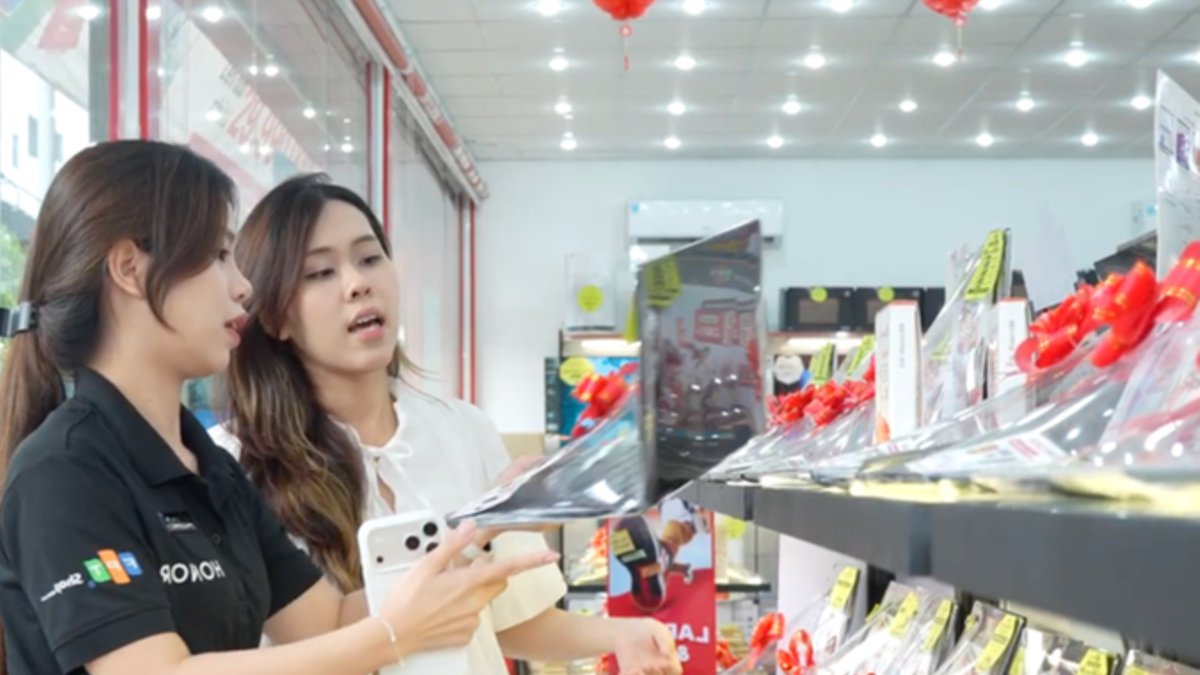
Technology products are becoming increasingly expensive, causing consumers in Vietnam to abandon the race to own the latest devices in favor of more calculated purchasing decisions. Bui Le Thuy Vy, a resident of Ho Chi Minh City, has been searching for a laptop for her younger brother, who is about to begin university. Yet, after comparing prices, she found herself hesitating.
Long-term value over new releases
“In the past, if a laptop met my needs, I would buy it,” she said. “Now that prices have risen significantly, I have to carefully consider not only the model but also promotional offers.” Rather than rushing into a purchase, Vy has decided to prioritize a device with strong specifications that can remain reliable for years, reducing the need for an early replacement.
Her experience reflects a broader shift in consumer behavior across the technology market. As prices continue to rise, many customers are tightening their budgets and prioritizing long-term value over the latest devices.
Buying habits shift amid higher costs
Phan Tran Thanh, deputy director of the mobile phone division at FPT Shop, said that the market has become divided into two distinct segments. Products whose prices have remained relatively stable include accessories such as charging cables and adapters, home appliances, and previous-generation smartphones, largely due to ample supply.
Related: Billions invested in eastern Ho Chi Minh
Meanwhile, newly launched devices and high-performance laptops have seen notable price increases as manufacturers grapple with currency fluctuations and rising component costs.
Retailers said that the price pressures have not significantly reduced demand but have changed the way consumers shop. Data from Di Dong Viet and 24hStore indicated that while most customers still intend to upgrade their devices, they are taking considerably longer to make purchasing decisions. Many now spend more time comparing prices, researching promotions, and waiting for discount campaigns before committing to a purchase.
The shift in buying habits is understandable. When the cost of basic tools rises, households naturally adjust their spending patterns to maintain stability. This often means delaying upgrades or choosing more affordable alternatives that still meet essential needs, a pragmatic response to economic pressure.
Retailers offer new incentives
Mobile retailers acknowledged that competing solely through direct discounts is no longer a sustainable strategy. Instead, they are investing in financial solutions designed to lower the upfront cost for consumers.
Related: Foreigners flock to century-old market for ao dai and wooden clogs
Trade-in programs have become one of the industry’s most important sales drivers. Minh Tuan Mobile, for example, guarantees the quoted value of a customer’s old device for seven days, protecting buyers from depreciation while they consider buying a new one. The company also pledges to offer valuations that closely reflect market prices.
At 24hStore and Di Dong Viet, customers upgrading to new devices can receive additional trade-in bonuses worth several million Vietnamese dong, depending on the product. Zero-interest installment plans have also become increasingly common, allowing consumers to spread payments over time without additional financing costs.
At 24hStore, buyers can access interest-free financing through TPBank EVO credit cards or Shinhan Bank. Additionally, Di Dong Viet has promoted its installment incentive program, which offers zero percent interest, no hidden fees, and no upfront payment. FPT Shop has expanded its partnerships with financial institutions, extending zero-interest installment periods to as long as 24 months. The retailer has also introduced deferred payment support that enables customers to purchase smartphones with minimal upfront costs, even without a credit card.
Older models gain appeal
Sales consultants are also changing their approach. Rather than steering shoppers toward the most expensive products, staff increasingly focus on recommending devices that match customers’ actual needs.