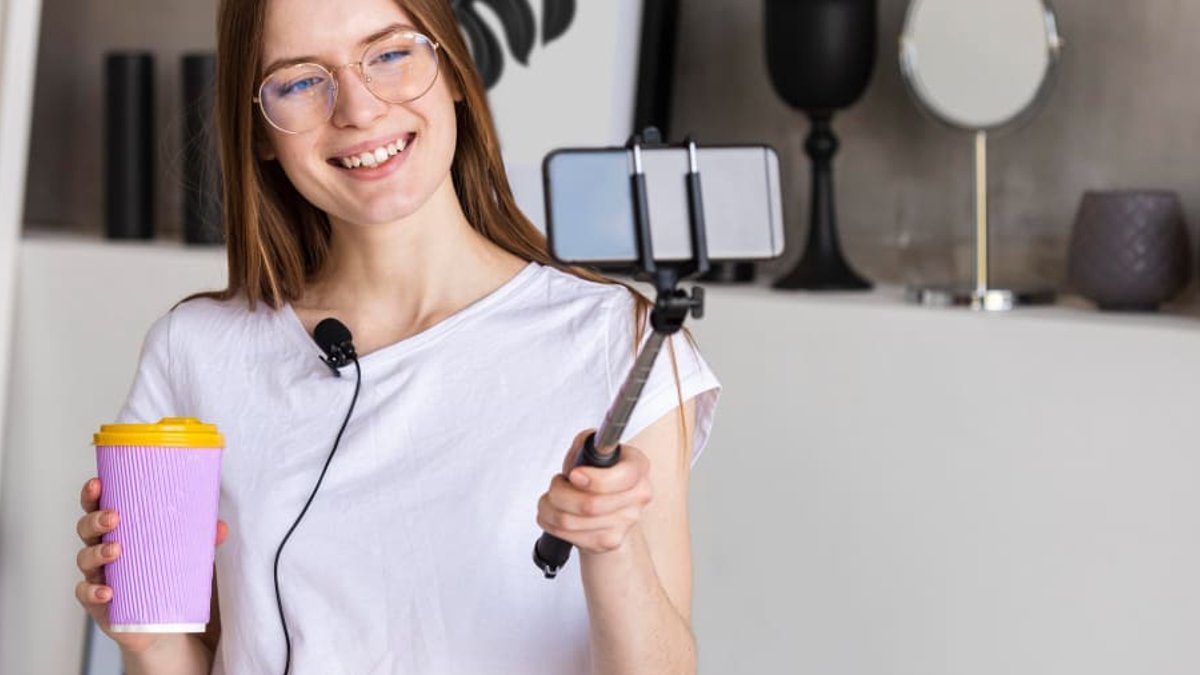
Small brands often find that traditional advertising fails to deliver the precise audience reach their budgets can sustain. Micro-influencers offer a solution by transforming niche creators—those with follower counts between 10,000 and 100,000—into a cost-efficient growth tool. Unlike macro-influencers with vast followings, these creators deliver higher engagement rates and audiences more closely matched to a brand’s ideal customer profile.
Jordan Price, director of Small City Marketing, identifies the 5,000 to 10,000 follower range as particularly effective. These influencers frequently accept product gifts in exchange for exposure, and their audiences trust their endorsements. Over time, these relationships can transition into paid collaborations. For small businesses, this approach reduces upfront costs while increasing the potential for organic outcomes.
Setting clear, measurable objectives is the foundation of success. Goals may include driving traffic, boosting sales, increasing engagement, or raising brand awareness. Tracking these metrics is essential, but challenges arise when working with micro-influencers, as they often control access to key analytics such as audience demographics and interaction data. The focus must therefore shift to identifying overlaps between an influencer’s audience and the brand’s target customer base.
“The overlap between their audience and your ideal customer target is the only metric that matters,” he states. Without this alignment, even highly engaging content may fail to produce meaningful results.
How to Find the Right Micro-Influencers
Locating the right micro-influencer demands a hands-on strategy. Many influencer databases prioritize larger creators, leaving small businesses to conduct manual searches. The process begins by exploring platforms where the brand’s audience is most active. Existing followers may already include micro-influencers who naturally align with the product.
If initial efforts prove unsuccessful, hashtag and keyword searches can uncover potential partners. Price advises against overreliance on automated tools, arguing that manual research provides deeper insights. “Most of our research is deliberately manual rather than tool-led, because you understand an influencer ‘ecosystem’ far better by getting into it yourself,” he says. By analyzing which creators interact most with top posts in a niche, brands can identify those deeply embedded in the community rather than those merely seeking free products.
Engagement metrics serve as another critical filter. High rates of likes, comments, and shares relative to follower count indicate an active audience. However, brands must also examine comments for signs of bot activity. A creator with a genuinely engaged, human following holds far greater value than one with artificially inflated statistics.
Beyond quantitative measures, reviewing an influencer’s past sponsored posts can reveal potential conflicts of interest. Brands should also evaluate whether the creator’s style, audience, and energy align with their own values. This compatibility ensures the collaboration feels authentic to both parties.
Related Post: Small businesses must master bookkeeping basics to avoid legal
When to Use Agencies vs. DIY
For brands lacking the time to manage the process independently, influencer agencies can streamline outreach, negotiations, and logistics. These agencies typically work with creators who already have some demand, which may limit available options. However, they allow small businesses to focus on other priorities.
When contacting potential influencers, direct messages often yield better results than formal outreach. The initial message should be concise, tailored to the influencer’s content, and free of generic language.
Negotiations should emphasize collaboration over transaction. Brands must clarify expectations upfront, including the scope of the partnership, performance metrics, and compensation terms. While product samples can serve as an initial offer, brands should make it clear these are not binding obligations. That content later became the foundation of the brand’s paid advertising strategy.
“The businesses that get the most from this are the ones who lead with what’s in it for the influencer and play the long game,” Price says.
Building Lasting Partnerships for Growth
Exclusivity agreements can protect a brand’s investment, but they require careful handling. While exclusivity prevents the influencer from promoting competitors, it may also limit their earning potential. Brands should also define content approval processes before publication to avoid last-minute surprises.
Long-term partnerships with micro-influencers often deliver stronger results than one-off campaigns. Maintaining goodwill, through gifts, personalized communication, or exclusive offers, can transform a single collaboration into a lasting relationship. After seeing the results, he negotiated a monthly retainer of 10 videos.
Authenticity is the foundation of effective micro-influencer partnerships. Brands should avoid overly staged content and allow creators the freedom to adapt the product to their style.