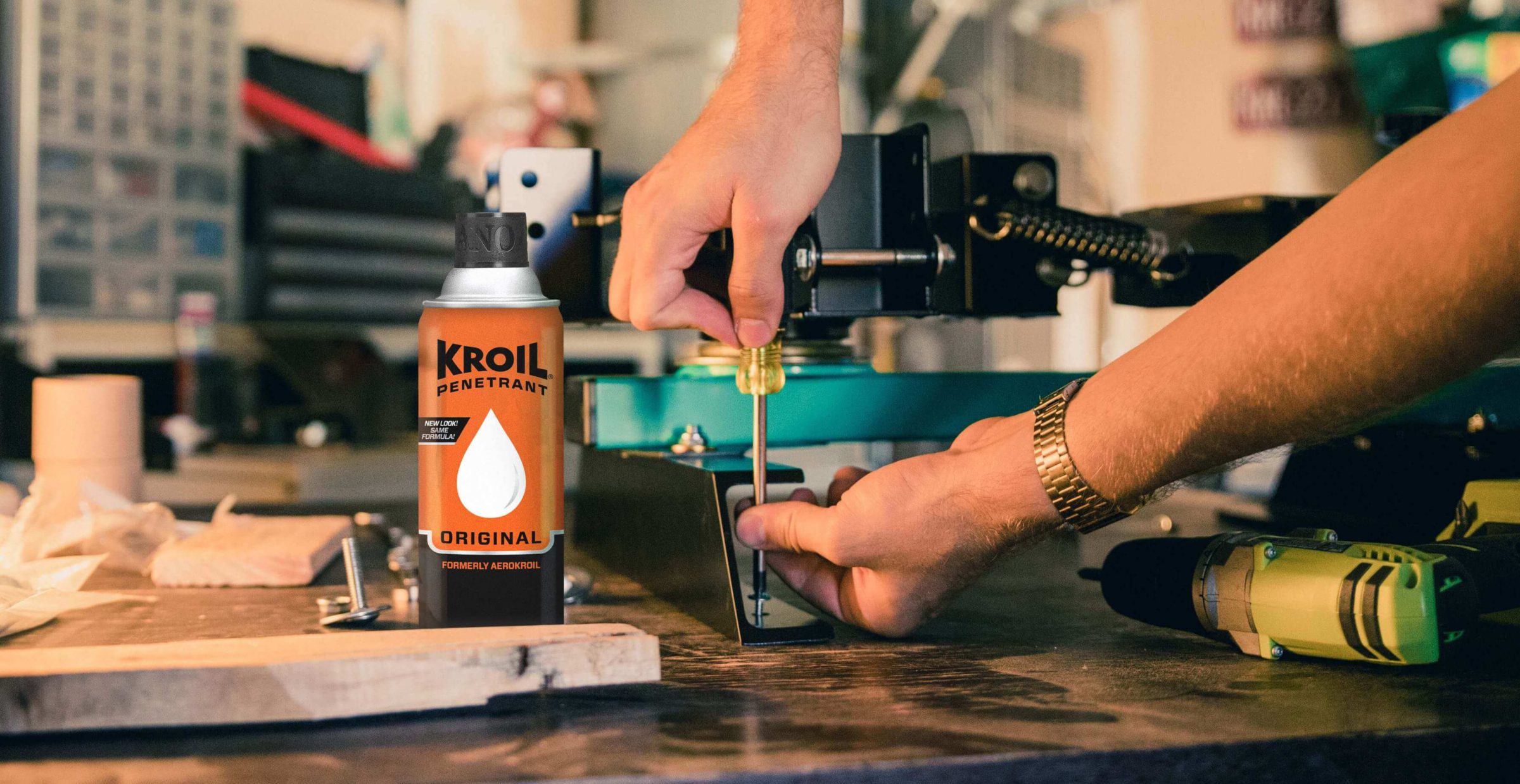
Choosing the right chemical agent to loosen seized hardware is a decision that often comes down to understanding the nature of the bond between corroded surfaces. For technicians, mechanics, and anyone managing heavy equipment, the choice of a loosening agent is not merely a preference; it is a strategic decision that affects how quickly a project can proceed and how likely it is that hardware will be salvaged rather than broken.
Understanding the Mechanisms of Seized Hardware
When metal components remain fastened in environments exposed to moisture, heat, or reactive chemicals, the surfaces tend to fuse. This bond is typically the result of oxidation, where iron atoms combine with oxygen to create a layer of rust. This rust occupies more volume than the original metal, causing it to expand into the threads of a bolt or the mating surfaces of two parts.
When you are deciding between standard industrial penetrating oils and more modern formulations, it is helpful to understand how they address this expansion. Traditional agents are designed to flow through narrow gaps via capillary action, gradually lubricating the interface between the rusted surfaces. By reducing the coefficient of friction, these fluids allow for the application of torque without snapping the fastener. The trade-off is often time; these fluids may require significant soak periods to penetrate deep into complex thread geometries.
The Role of Advanced Chemical Technologies
In recent years, the industry has seen the emergence of products incorporating microscopic particulate structures, often referred to as nano penetrating oil. These formulations are designed to leverage small-scale particles that act as ball bearings or surface-modifying agents to facilitate movement in even tighter tolerances than traditional fluids can reach.
The mechanism here involves a combination of low surface tension and particle-based lubrication. When applied to a seized assembly, these fluids seek out the path of least resistance, migrating through micro-fractures in the corrosion. Once the particles are embedded within the rust, they tend to reduce the mechanical interlock between the rusted surfaces more effectively than fluids that rely solely on surface tension. This is why many professionals choose these advanced options when dealing with high-stress applications where the risk of shearing a bolt is particularly high.
Factors Influencing the Decision Between Agents
When determining which product to keep on the shelf, consider the specific nature of the work. Factors that typically tip the scales include:
- Tolerance and Fit: In extremely tight machine tolerances, where the gap between parts is exceptionally small, a fluid with a lower viscosity is often better suited to migrate into the space.
- Environmental Exposure: Hardware located near exhaust systems or high-heat areas requires agents formulated to withstand temperature spikes without evaporating instantly.
- Material Compatibility: Always consider whether the substrate is sensitive to specific chemical additives, as some high-strength cleaners may interact differently with certain alloys or plastic components nearby.
- Time Sensitivity: If a project requires rapid disassembly, a product with faster-acting chemical properties is often favored over those that require extended soaking times.
Many users find that maintaining a variety of loosening agents allows them to match the chemistry to the specific demands of the obstruction. While a standard industrial solution may suffice for general maintenance, projects involving long-neglected equipment often benefit from the additional capabilities offered by nanotechnology-based alternatives.
Aligning Product Choice With Project Demands
To ensure the best outcomes, it is helpful to look at the process as a multi-stage approach. First, clear away loose debris and heavy surface rust using a wire brush. This initial preparation allows the industrial penetrating oils to focus their efforts on the areas where the bond is strongest, rather than being absorbed by surface-level contaminants.
When applying these products, patience is frequently the most important tool. Applying a light coat and allowing it time to migrate through the threads often yields better results than attempting to force a fastener immediately after application. For stubborn hardware, periodic light tapping with a hammer can help create vibrations that further assist the fluid in working its way into the deepest parts of the assembly.
When working on critical machinery, consider whether the application of these agents might affect subsequent processes, such as welding or painting. Some formulations contain silicone or other additives that can create challenges for paint adhesion or create fumes if high heat is applied later. Evaluating the product documentation for compatibility with downstream processes is a standard consideration for those who work in specialized environments.
Ultimately, the choice to use nano penetrating oil versus traditional alternatives is about managing risk. By assessing the degree of oxidation, the sensitivity of the materials involved, and the required torque levels, you can make a selection that promotes the integrity of the hardware. Empowerment comes from testing these tools in controlled scenarios and observing which ones consistently provide the most reliable movement, allowing you to move forward with confidence regardless of the severity of the seizure.