Nigeria’s tourism sector has struggled to live up to its potential for years, despite the country possessing some of Africa’s richest cultural heritage and natural settings. BusinessDay reports that the 2026 Tourism Conference highlighted this disconnect, with Lagos State setting an ambitious goal to become Africa’s leading tourism destination. The discussions suggest that the nation’s economic future may no longer depend on oil, but officials are divided on whether the country has the political will to unlock this significant resource.
Lagos has recorded remarkable growth in hospitality over the past 15 years. Registered hotels have increased significantly, while internationally branded hotels have more than doubled. Hotel room capacity has expanded dramatically, and revenue from hospitality consumption tax has risen from about N7 billion in 2010 to approximately N70 billion in 2025.
These figures represent more than just numbers. They reflect jobs created, taxes generated, investments attracted, and businesses sustained. The growth proves that tourism works when governments are intentional, though the report notes that the sector remains underdeveloped compared to the country’s assets.
Related: Nigeria regains frontier status, stocks surge
It is difficult to ignore the parallel between this current trajectory and the development paths taken by other nations. Saudi Arabia and Rwanda have successfully transformed their economies by aggressively marketing specific cultural and religious assets to global audiences. Both countries moved beyond relying on a single commodity, using tourism to build diverse economies that are less vulnerable to global price shocks. Nigeria faces a similar structural need to diversify, yet it continues to struggle with the implementation of policies that would allow similar growth.
Marketing and infrastructure gaps
Observers note that Nigeria’s greatest weakness is its failure to market itself effectively. While nations with fewer attractions spend heavily promoting their destinations globally, Nigeria often assumes its attractions will speak for themselves, which rarely do. Tourism is a competitive industry where perception matters almost as much as the product itself.
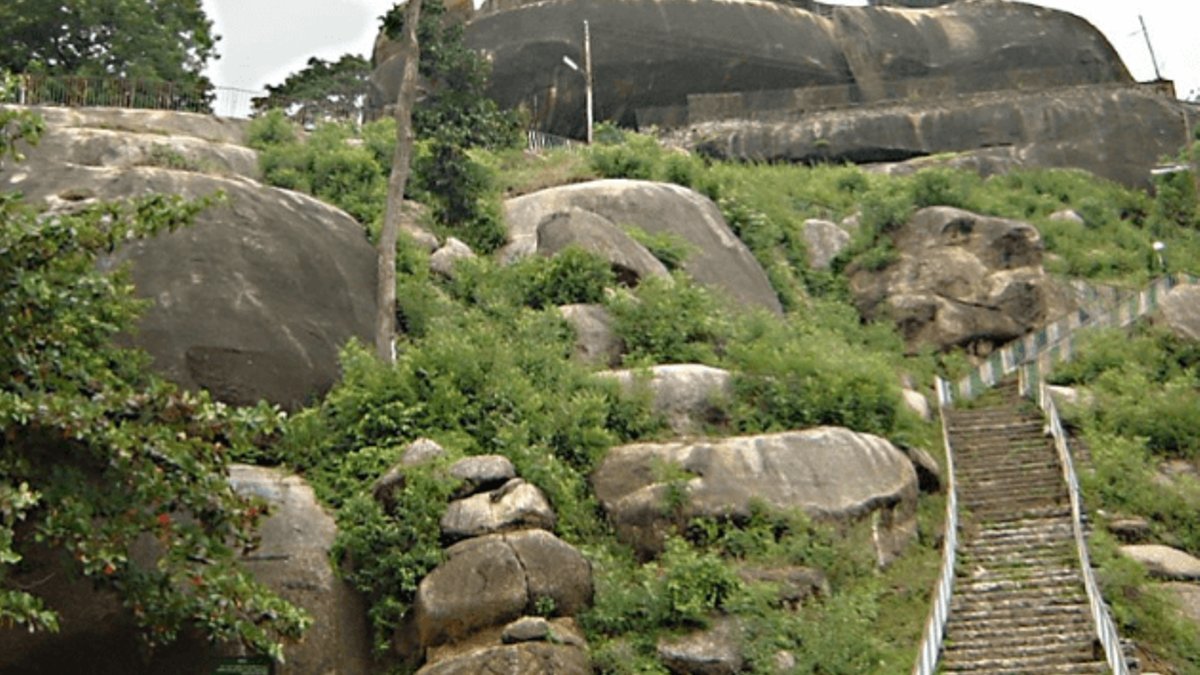
The country offers experiences capable of attracting millions of domestic and international tourists yearly. From Obudu Mountain Resort and Yankari Game Reserve to Erin Ijesha Waterfalls, Idanre Hills, and the Osun-Osogbo Sacred Grove, the nation possesses assets comparable to or greater than those of its neighbours. When combined with Afrobeats, Nollywood, lively festivals, rich cuisines and warm hospitality, Nigeria arguably has one of Africa’s strongest tourism propositions.
These advantages remain largely underutilised. Poor infrastructure, insecurity, inconsistent government policies, inadequate destination marketing, weak maintenance culture, poor road networks, limited air connectivity and insufficient investment in tourism facilities continue to discourage both investors and visitors. Tourists are unlikely to visit destinations where transportation is difficult, electricity is not reliable, and security concerns dominate international travel advisories.
Related: Claude launches AI tool for K-12 teachers
Building a sustainable ecosystem
The way forward requires consistency across multiple fronts. Governments at all levels must prioritise security, improve transport infrastructure, preserve cultural and ecological heritage, simplify investment procedures and provide incentives for tourism investors. Public-private partnerships should be strengthened to develop resorts, convention centres, museums, waterfronts and heritage sites without placing excessive financial burdens on the government.
Establishing and enforcing Nigerian hospitality standards that reflect global best practices while preserving the nation’s unique cultural identity is also important. Authenticity remains Nigeria’s greatest competitive advantage. Rather than imitating foreign tourism models, the nation should package and promote its own cultures, festivals, cuisines, music and history as premium experiences.
Tourism also deserves stronger integration into national economic planning. Universities and technical institutions should expand hospitality and tourism education, while local communities must be empowered as custodians and beneficiaries of tourism assets. The resources already exist. What Nigeria now requires is sustained political commitment to transform tourism from an overlooked opportunity into a genuine pillar of national development.