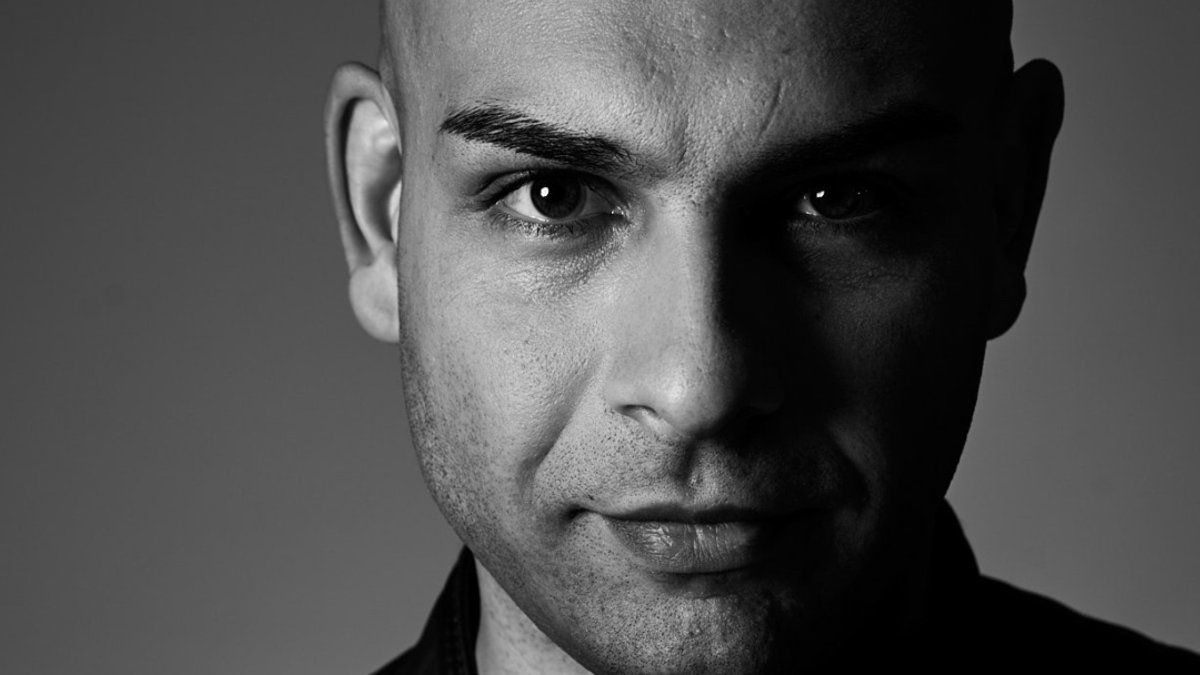
Shawn Maftounian thought working harder than everyone else would guarantee success. Instead, it nearly destroyed his business.
Maftounian, founder of Prestige Personalised Training, lost his life savings in 2017 after investing in another gym without proper legal agreements. He slept in his 1988 Toyota Camry while rebuilding. The financial collapse wasn’t his biggest mistake, though.
The trap of being irreplaceable
For years, Maftounian handled every role himself—trainer, marketer, cleaner, accountant. He assumed no one else would care as much. During COVID, he trained clients in a 4×4-meter tent outside his home, regardless of weather. The business survived, but the approach didn’t scale.
“I wasn’t building an organization,” he said. “I was building a job that happened to own me.” If he took a day off, operations stalled. If he got sick, the business suffered. Growth became impossible because there weren’t enough hours in the day.
The shift came when he stopped asking how to do more and started asking how the business could operate better. He began documenting processes, standardizing coaching systems, and investing in staff development. Trusting employees wasn’t easy, but it was necessary.
Businesses don’t expand through exhaustion. They expand through systems. Maftounian now spends less time on the gym floor, focusing instead on coaching coaches and improving operations rather than handling every task himself. The adjustment allowed Prestige Personalised Training to grow beyond his individual capacity.
Culture as a deliberate system
In the fitness industry, competitors often prioritize equipment or pricing. Maftounian learned those matter less than culture. “What truly creates long-term success is building a community where people feel supported, accountable, and genuinely cared for,” he said.
A strong culture doesn’t happen by accident. It requires intentional creation, protection, and reinforcement. At his company, that meant structured client journeys, measurable standards, and a focus on community. No marketing campaign could replace it.
His advice to other founders: Don’t mistake being busy for making progress. Hard work solves immediate problems, but systems solve future ones. If a business still relies on the founder’s constant presence years later, it’s not freedom—it’s dependency.
The company is now stronger not because Maftounian works more hours, but because it no longer depends on one person. Success, he said, isn’t about becoming indispensable. It’s about creating something that delivers value long after you’ve stepped away.
Maftounian’s experience highlights how training systems can transform a business from a one-person operation into a scalable model.