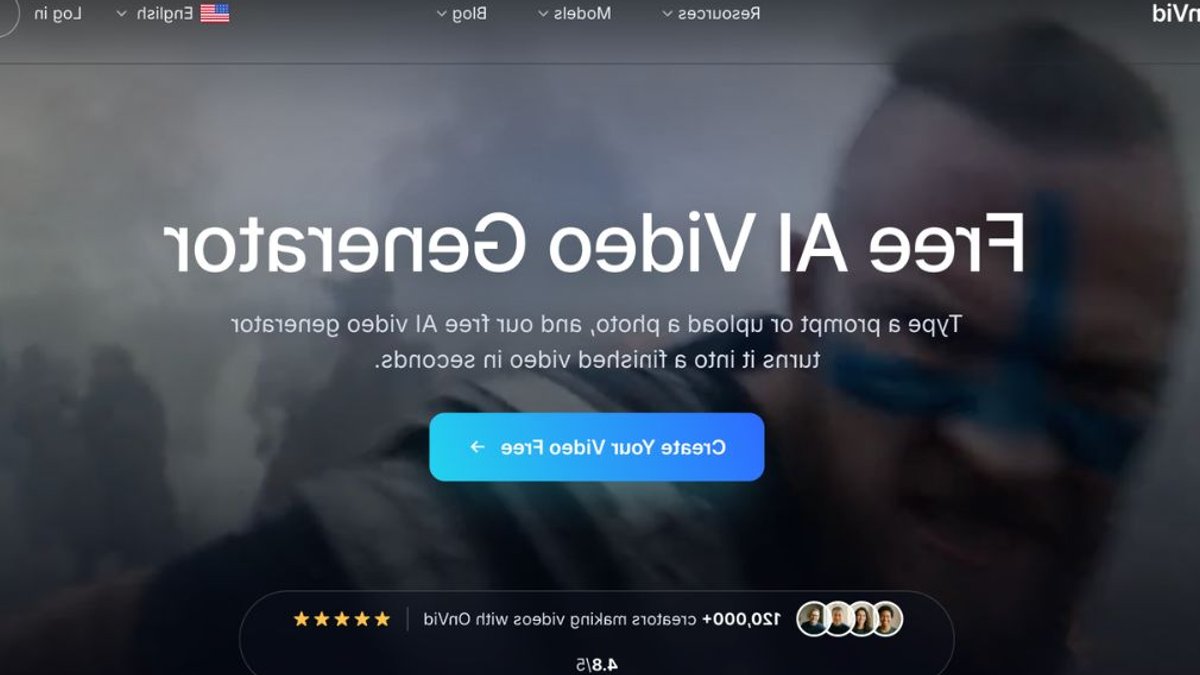
OnVid, an AI‑driven video creation platform, promises businesses a way to turn text prompts or existing media into finished videos without traditional editing tools.
How the service works
The tool lets users type a description, upload images, video clips, or audio files, and then generates a video that matches the input. The workflow is fully automated: once the assets are supplied, OnVid handles stitching, transitions, and rendering. The interface is geared toward users who lack design or editing experience, offering a “click‑and‑go” experience that marketing teams and small enterprises can adopt for social posts, product announcements, or internal briefings.
Support for multiple media types means a single project can combine photos, short video snippets, and voice‑overs. The platform claims this flexibility yields “dynamic output” while keeping the process simple. Because the system runs the entire production pipeline, organizations can skip manual editing steps that typically require specialized software and staff.
Target audience and potential uses
OnVid markets itself to marketers, content creators, and corporate communicators who need regular video content but do not maintain a dedicated production crew. Typical applications include social media clips, sales presentations, and internal communications. Small businesses looking to enhance their online presence may find the speed and low‑skill requirement attractive, especially when budgets constrain hiring professional editors.
The service’s free tier, highlighted on the homepage as a “Free AI Video Generator,” offers a glimpse of the platform’s capabilities. However, pricing beyond this entry level is not listed publicly. Prospective customers must contact the company for a custom quote, which can make budgeting more uncertain for larger teams or agencies that require higher volume or advanced features.
Related: New AI System Runs on Mobile Devices
Pricing details remain vague.
While the absence of transparent pricing could be a hurdle, the promise of rapid turnaround and reduced labor costs may still appeal to firms needing to scale video output quickly. Evaluating sample videos for quality and confirming licensing terms are sensible steps before committing to the platform.
In practice, organizations that adopt OnVid should monitor how the AI’s output aligns with brand guidelines. Automated generation can speed up production, but it may also produce results that need tweaking to match a company’s visual identity. Users might find themselves still needing a quick review cycle to ensure consistency.
Overall, OnVid appears to fill a niche for non‑designers who want professional‑looking videos without the overhead of traditional editing suites. Its reliance on AI to interpret prompts and combine assets offers a streamlined alternative, though the lack of clear pricing details could limit its appeal for firms that require predictable cost structures.