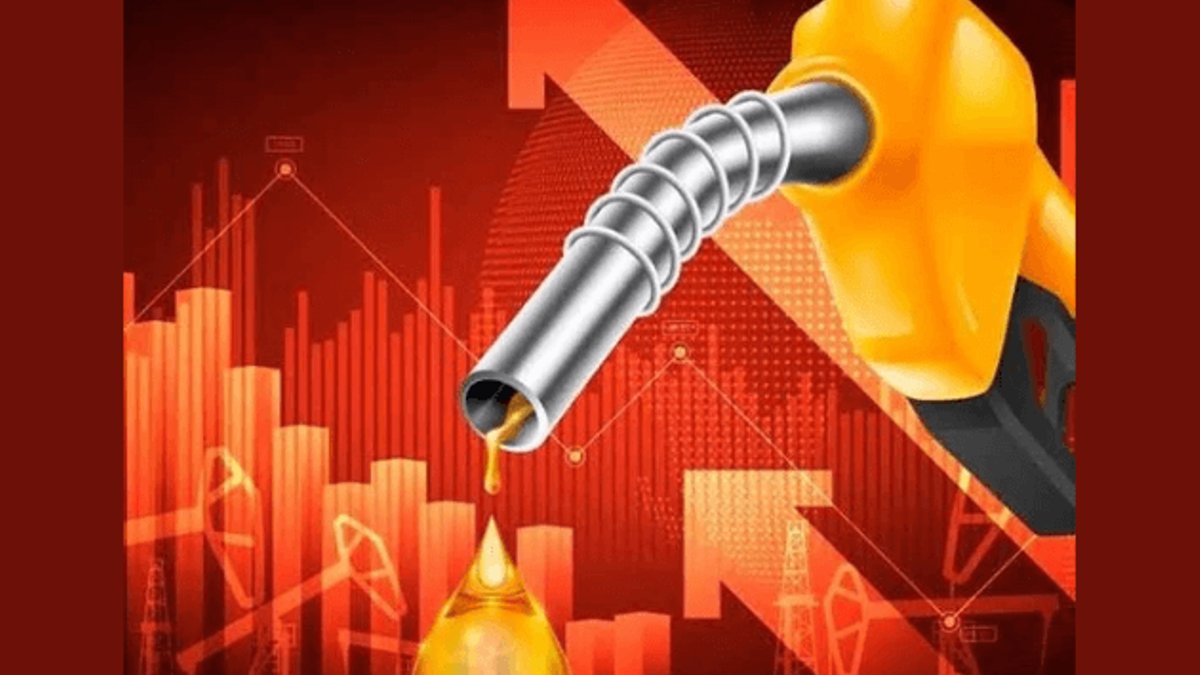
When President Bola Ahmed Tinubu took the oath of office in May 2023, he delivered a brief economic announcement that immediately shook the nation. Standing at Eagle Square, he declared that “Subsidy is gone forever,” marking the end of a decades-old petroleum removal policy. The statement was terse, but the fallout was immediate and severe.
Financial records from an analysis utilized data from NNPC and NEITI. These reports reveal a staggering increase in expenditure over the past decade. Goodluck Jonathan’s administration spent approximately N3.9 trillion on the program.
The Buhari government recorded over N11 trillion—nearly triple the amount. Despite Buhari’s earlier promises to dismantle the system, his tenure saw the country further submerged in the financial trap of fuel support.
History repeated itself in 2012 when a similar attempt to remove the support sparked nationwide gridlock and paralyzing protests. That resistance forced a reversal. However, by the time the 2023 electoral cycle arrived, virtually every major presidential contender traversed the country promising to remove the petrol support. This created a paradox where the program was both a political necessity and a liability.
Tinubu’s announcement threw the country into a mixed grill, with some hailing his courage while opposition figures tore his approach to shreds. The criticism was not necessarily directed at the removal itself, but at the lack of a concrete roadmap.
Critics argued the government played to the gallery without adequate safety nets to cushion an already impoverished population against the shock of forex market liberalization.
Related: Study ranks ten most welcoming cities worldwide
This scenario represents a significant divergence from the political trends of the past, where the mere attempt to remove the support was enough to paralyze the nation. In 2023, the political cost of the program has shifted from the act of removal to the execution of that removal. This suggests that while the public is still vulnerable to economic shocks, their political patience with the process may be fraying more visibly than it did a decade ago.
As the political arena heats up for the upcoming campaign season, the issue has returned to the battlefield. Rumors swirled that Alhaji Atiku Abubakar would reinstate the scheme. Reports later circulated of discordant tunes and heated arguments, leading the candidate to deny giving such instructions.
Meanwhile, other aspirants like Peter Obi maintain their support for the removal, though Omoyele Sowore argues the entire structure is a deliberate attempt to subsidize the rich.
The problem extends beyond the political rhetoric to the systemic dysfunction that has enabled corruption. The regime was characterized by opaque importation arrangements, persistent shortages, and the emergence of powerful interests capable of exploiting the system. Probes have been launched and investigations have followed, yet the alleged beneficiaries of the racket remain resilient while ordinary Nigerians bear the consequences of the waste.
Government officials counter that the savings provide greater fiscal leverage for subnational governments. These funds have flowed to states, enabling many to meet salary obligations and reduce their dependence on borrowing. However, these macroeconomic arguments often mean little to the average Nigerian confronting the reality of daily survival.