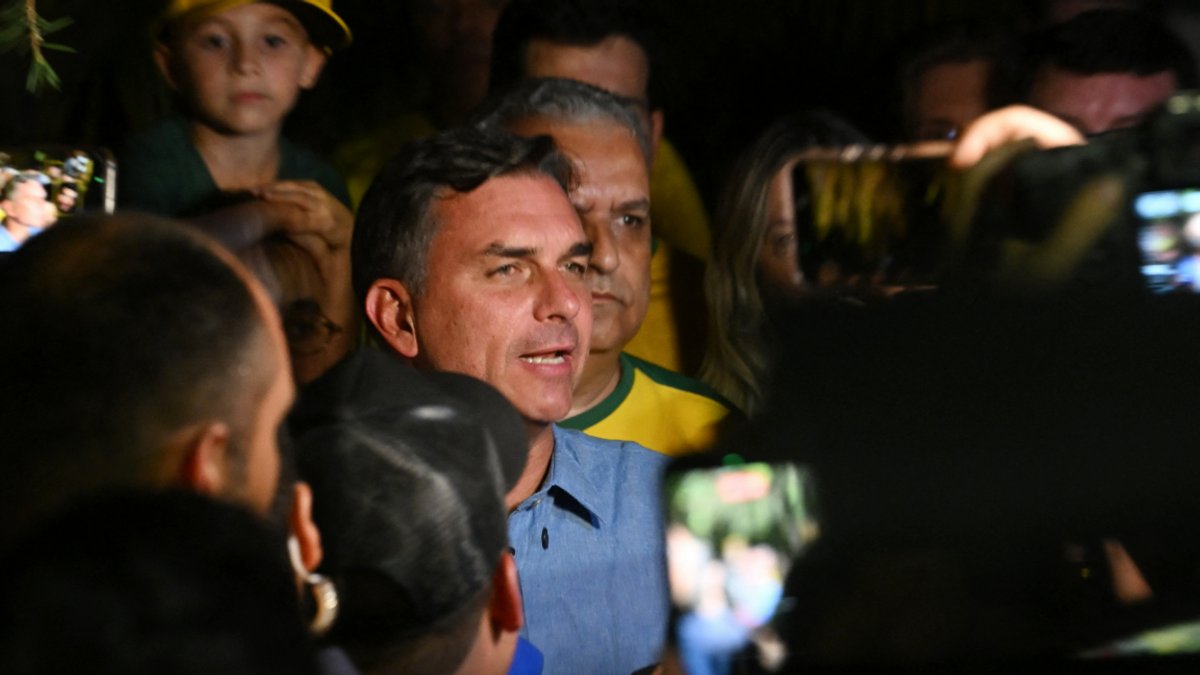
Brazil is preparing for a highly contested runoff election between Luiz Inácio Lula da Silva and Flávio Bolsonaro, with the two candidates virtually tied in the polls.
The election, scheduled for October 25, 2026, will determine the direction of the country for the next four years and indicate whether Brazil will follow the trend of right-wing governments sweeping Latin America.
The Candidates’ Platforms
Flávio Bolsonaro, the 45-year-old senator and candidate for the Liberal Party, has filled the void left by his father, former President Jair Bolsonaro, who is currently imprisoned for his role in a tentative de coup d’État following the 2022 elections.
Representing the Workers’ Party (PT), Lula, aged 80, is attempting to secure his fourth non-consecutive term. His program emphasizes the reconciliation of democratic stability with social protection programs designed to lift the most vulnerable out of poverty and strengthen diplomatic ties with the pays du Sud. While his current administration has succeeded in lowering poverty rates and reducing deforestation in the Amazon, these advances have been eclipsed by a high level of household debt. Furthermore, a vast corruption scandal involving banker Daniel Vorcaro has cast discredit on various political figures and some members of the Supreme Court.
Read Also: Anthropic warns AI outpaces human bug fixes
The First Round
In the first round of the election, held on October 4, Flávio Bolsonaro received 47% of the vote, narrowly beating Lula, who received just over 45%.
The tension between the two candidates reached a peak during a debate on October 18, in which they mutually accused each other of corruption.
Foreign Influence and Controversies
Recent data indicates a tightening of the race, with the latest polls showing the candidates virtually tied, at 46.5% for Bolsonaro and 45.9% for Lula, according to a Nexus poll, and an even narrower gap of 45% to 44% in a Quaest poll.
Despite Bolsonaro’s initial advantage, the outcome of the election remains uncertain.