
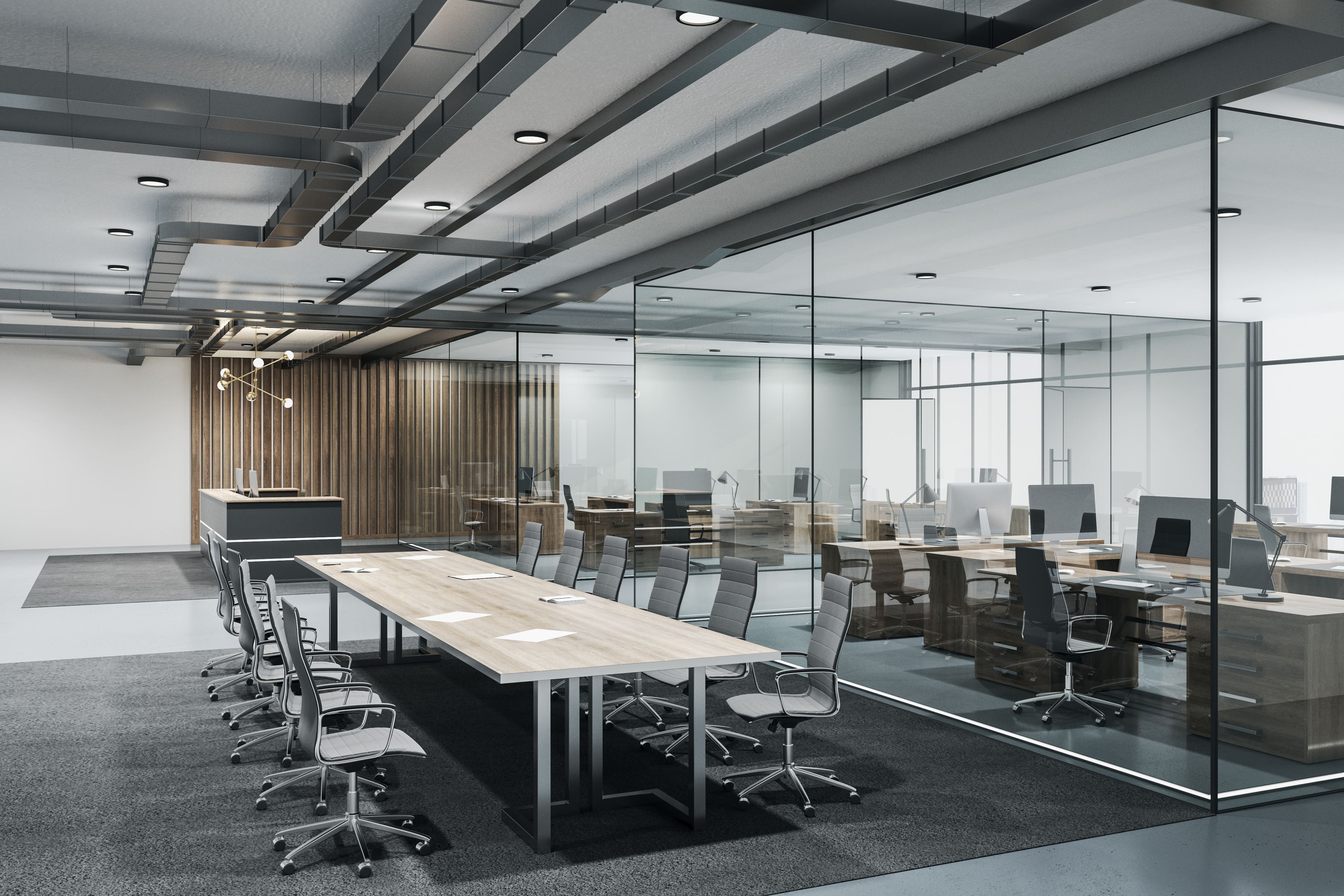
Running a business in Perth means dealing with scorching summers. Keeping your customers and employees comfortable often translates to hefty energy bills. But what if you could maintain a cool, comfortable environment without breaking the bank? Investing in efficient commercial air conditioning perth, coupled with smart energy management strategies, can significantly reduce your energy consumption and save you money.
This article explores seven practical ways to slash your energy bills while ensuring optimal cooling performance for your business. From selecting the right system to implementing simple operational changes, these tips will help you create a more sustainable and cost-effective cooling solution. Let’s dive in and discover how to make your business cooler and greener.
1. Choose the Right Size and Type of System
Selecting the correct air conditioning system is the first and most crucial step toward energy efficiency. An oversized system will cycle on and off frequently, wasting energy and reducing its lifespan. On the other hand, an undersized system will struggle to maintain the desired temperature, leading to discomfort and increased energy consumption. It’s a bit like wearing shoes that don’t fit – uncomfortable and inefficient.
Consider the size of your space, insulation levels, window orientation, and occupancy when determining the appropriate cooling capacity. Consulting with a qualified HVAC professional can ensure you choose a system that perfectly matches your needs. They can perform a load calculation to determine the optimal BTU (British Thermal Units) rating for your building. This ensures you’re not paying for more cooling power than you actually need.
Consider Inverter Technology
Inverter technology is a game-changer when it comes to energy efficiency. Unlike traditional systems that operate at a fixed speed, inverter air conditioners adjust their cooling output based on the room’s temperature. This means they use only the energy required to maintain the set temperature, resulting in significant energy savings. It’s like cruise control for your air conditioner, maintaining a consistent temperature with minimal energy expenditure.
2. Regular Maintenance is Key
Just like your car needs regular servicing, your commercial air conditioning system requires routine maintenance to operate efficiently. Neglecting maintenance can lead to reduced performance, increased energy consumption, and costly repairs down the line. Think of it as preventative medicine for your cooling system; addressing small issues early can prevent major problems later.
Regular maintenance should include cleaning or replacing air filters, inspecting and cleaning coils, checking refrigerant levels, and lubricating moving parts. Clogged air filters restrict airflow, forcing the system to work harder and consume more energy. Dirty coils reduce heat transfer efficiency, while low refrigerant levels compromise cooling performance. A well-maintained system operates smoothly and efficiently, saving you money in the long run.
Benefits of Regular Maintenance:
- Improved energy efficiency
- Extended system lifespan
- Reduced repair costs
- Enhanced air quality
- Optimal cooling performance
3. Optimise Thermostat Settings
Setting your thermostat strategically can significantly impact your energy consumption. Avoid setting the temperature too low, as every degree below your comfort level increases energy usage. A good rule of thumb is to set the thermostat at the highest comfortable temperature during business hours and raise it further when the building is unoccupied.
Programmable thermostats can automate temperature adjustments based on your business’s operating schedule. You can pre-set different temperatures for weekdays, weekends, and holidays, ensuring that your system only operates at full capacity when needed. It’s like having a smart energy manager that automatically adjusts your cooling based on your specific needs.
4. Seal Air Leaks and Improve Insulation
Air leaks and poor insulation can negate the efficiency of even the most advanced air conditioning system. Gaps around windows, doors, and walls allow conditioned air to escape and outside air to enter, forcing your system to work harder to maintain the desired temperature. Addressing these issues can significantly reduce your energy consumption.
Caulk and weatherstrip around windows and doors to seal air leaks. Insulate walls, ceilings, and floors to minimise heat transfer. Consider upgrading to energy-efficient windows and doors to further improve insulation. These improvements not only reduce energy consumption but also enhance the overall comfort of your building.
5. Utilise Natural Cooling Strategies
Before relying solely on your air conditioning system, explore natural cooling strategies to reduce the cooling load on your building. These strategies can help you minimise energy consumption and create a more comfortable indoor environment. It’s like working with nature to achieve optimal cooling.
Use window coverings such as blinds, curtains, or solar shades to block sunlight during the hottest parts of the day. Open windows and doors during cooler hours to promote natural ventilation. Plant trees and shrubs around your building to provide shade and reduce solar heat gain. These simple strategies can significantly reduce your reliance on air conditioning.
6. Consider Zone Control Systems
Zone control systems allow you to independently control the temperature in different areas of your building. This means you can cool only the areas that are occupied, rather than cooling the entire building. It’s like having individual light switches for each room, allowing you to turn off the lights in unoccupied areas.
Zone control systems are particularly beneficial for businesses with varying occupancy patterns or temperature requirements. For example, you can cool the reception area during business hours while keeping the storage room at a higher temperature. This targeted approach to cooling minimises energy waste and reduces your overall energy bills.
7. Upgrade to Energy-Efficient Equipment
If your commercial air conditioning system is old and inefficient, consider upgrading to a newer, more energy-efficient model. Modern systems are designed with advanced technologies that significantly reduce energy consumption. It’s like trading in an old gas-guzzler for a fuel-efficient hybrid.
Look for systems with high SEER (Seasonal Energy Efficiency Ratio) and EER (Energy Efficiency Ratio) ratings. These ratings indicate the system’s energy efficiency; the higher the rating, the more efficient the system. While the initial investment may be higher, the long-term energy savings will more than offset the cost. Plus, many government rebates and incentives are available for businesses that upgrade to energy-efficient equipment. Ensuring your business has reliable factory air conditioning services is paramount for optimal operations.
Frequently Asked Questions
1. How often should I service my commercial air conditioning system?
It is recommended to service your commercial air conditioning system at least twice a year, ideally before the summer and winter seasons. Regular servicing ensures optimal performance and prevents costly breakdowns.
2. What is SEER and EER, and why are they important?
SEER (Seasonal Energy Efficiency Ratio) and EER (Energy Efficiency Ratio) are ratings that indicate the energy efficiency of an air conditioning system. The higher the SEER and EER ratings, the more energy-efficient the system is, resulting in lower energy bills.
3. Can I install a commercial air conditioning system myself?
It is highly recommended to have a qualified HVAC professional install your commercial air conditioning system. Proper installation ensures optimal performance, energy efficiency, and safety. Incorrect installation can void warranties and lead to costly repairs.
4. How can I improve the air quality in my commercial space?
To improve air quality, regularly clean or replace air filters, ensure proper ventilation, and consider installing an air purifier. Maintaining a clean and well-ventilated environment helps reduce allergens and pollutants.
5. What are the benefits of using a zone control system?
Zone control systems allow you to independently control the temperature in different areas of your building, reducing energy waste and saving money. They are particularly beneficial for businesses with varying occupancy patterns or temperature requirements. From retail air conditioning to office spaces, these systems provide targeted cooling.