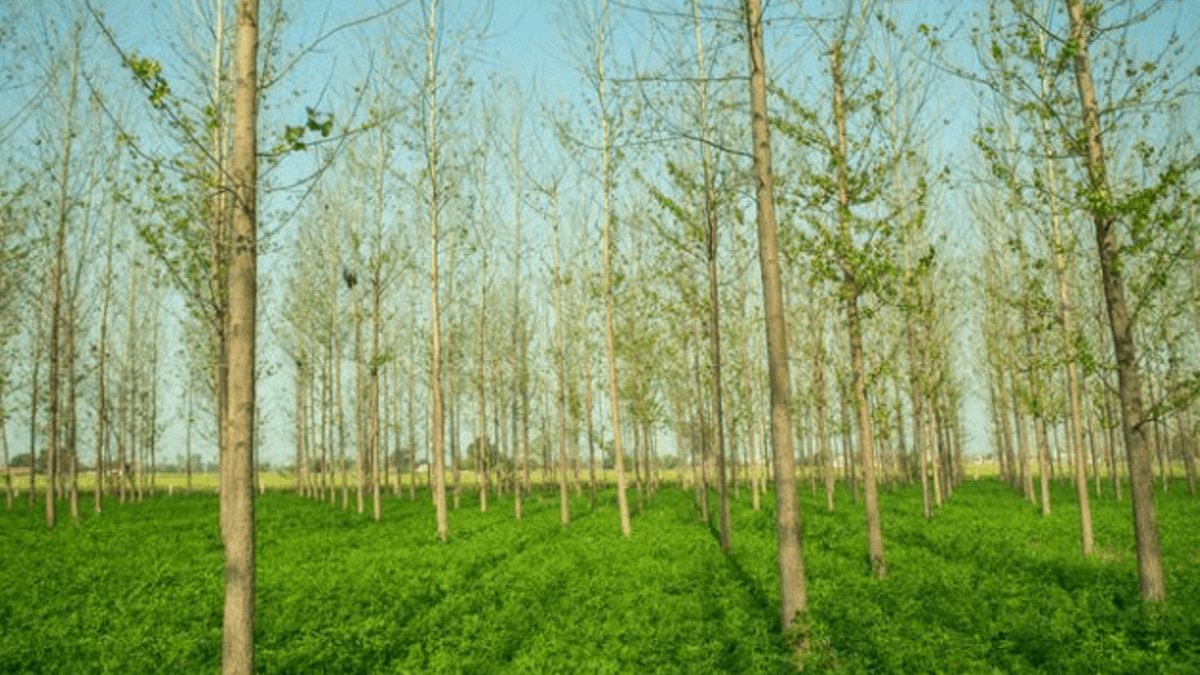
The Foundation for Sustainable Smallholder Solutions has planted more than 24,000 economic trees across farming communities and schools in Bauchi State, part of a broader effort to restore degraded land and strengthen climate resilience among rural farmers. The initiative, supported by the HEINEKEN Africa Foundation and Nigerian Breweries Plc, reached its milestone during a training program for more than 70 farmers on agroforestry and climate-smart agricultural practices.
Field teams distributed 6,500 economic tree seedlings to 500 households, allocating 13 seedlings to each family to establish household permagardens. Agroforestry sites and these family permagardens accounted for 12,173 trees, while secondary schools planted an additional 70 trees, bringing the first-phase total to 12,243.
Timothy Azakere announced the milestone and noted that the intervention helps farmers regenerate degraded soil while establishing extra sources of food and revenue. He explained that the economic value of the crops will become increasingly evident as the trees mature, with fruiting expected within three years.
The selection of tree varieties includes mango, citrus, guava, cashew, plantain, banana, moringa, gliricidia, and papaya. Organisers selected these specific crops to deliver long-term environmental, nutritional, and financial benefits to rural communities.
Under the programme design, farming families will consume a portion of the harvest and sell surplus produce in regional markets to generate steady revenue. Agricultural consultant Paul Tamen instructed participants on essential agronomic practices for managing economic tree crops, including land mapping, farm layout, plant spacing, and seedling care.
The agroforestry intervention forms part of the broader ESTRRA Project, which targets the restoration of 29,000 hectares of degraded land across Bauchi North through regenerative practices and climate-smart techniques. The three-year initiative operates across seven Local Government Areas: Katagum, Shira, Jama’are, Giade, Itas-Gadau, Zaki, and Gamawa.
Related: African Rating Agency Tested, Borrowing Costs at Stake
These areas face significant environmental challenges that require immediate action. The Foundation for Sustainable Smallholder Solutions has planted more than 24,000 economic trees across farming communities and schools in Bauchi State, part of a broader effort to restore degraded land and strengthen climate resilience among rural farmers. The initiative, supported by the HEINEKEN Africa Foundation and Nigerian Breweries Plc, reached its milestone during a training program for more than 70 farmers on agroforestry and climate-smart agricultural practices.
Timothy Azakere announced the milestone and noted that the intervention helps farmers regenerate degraded soil while establishing extra sources of food and revenue. He explained that the economic value of the crops will become increasingly evident as the trees mature, with fruiting expected within three years.
The selection of tree varieties includes mango, citrus, guava, cashew, plantain, banana, moringa, gliricidia, and papaya. Organisers selected these specific crops to deliver long-term environmental, nutritional, and financial benefits to rural communities.
Under the programme design, farming families will consume a portion of the harvest and sell surplus produce in regional markets to generate steady revenue. Agricultural consultant Paul Tamen instructed participants on essential agronomic practices for managing economic tree crops, including land mapping, farm layout, plant spacing, and seedling care.
The agroforestry intervention forms part of the broader ESTRRA Project, which targets the restoration of 29,000 hectares of degraded land across Bauchi North through regenerative practices and climate-smart techniques. The three-year initiative operates across seven Local Government Areas: Katagum, Shira, Jama’are, Giade, Itas-Gadau, Zaki, and Gamawa.
If the initiative maintains its current pace and the planted seedlings achieve acceptable survival rates, the program could contribute meaningfully to regional reforestation goals while providing participating families with diversified income streams within the expected timeframe.